Unlocking Efficiency: How Incremental Steps in Hybrid Energy Solutions Transform Mining and Construction
- Tristo
- Oct 30, 2025
- 4 min read
In Australia, the mining and construction industries have long relied on diesel generators for on-site power. These units have become a staple, powering operations across the nation. However, as energy demands evolve, traditional methods are increasingly seen as outdated and inefficient. The pressures of environmental concerns and rising fuel costs are prompting a significant shift towards more sustainable energy solutions.
This is where hybrid energy solutions come into play.
A Brief Overview
Hybrid energy solutions combine renewable energy sources, such as solar and wind, with conventional power sources like diesel generators. This integration allows for a more stable and cost-effective power supply, particularly in sectors like mining, construction, and agriculture.
By leveraging both renewable and traditional energy, hybrid systems can adapt to varying energy demands while minimising reliance on fossil fuels. This flexibility is crucial in an era where energy requirements are not only growing but also becoming more complex.

Benefits of Adopting Hybrid Energy Solutions
The advantages of hybrid energy solutions are both straightforward and compelling:
Lower Operating Expenses: By reducing fuel consumption and maintenance needs, businesses can significantly lower their operating costs.
Substantial Emissions Reductions: Many clients have reported reductions of up to 67% in CO₂ emissions within a year of implementing hybrid systems.
Reduced Noise Levels: Hybrid systems can generate a sound profile that is 30 times quieter than traditional diesel units, creating a more pleasant working environment.
These benefits make hybrid energy solutions an attractive option for industries that are under increasing pressure to improve their sustainability metrics.
Incremental Steps Towards Sustainability
One of the key strategies advocated by experts in sustainable fuels, such as Tristan Yuswak, is the "incremental steps" approach. This strategy emphasizes that small, manageable actions can accumulate over time to yield significant results.
Many organizations tend to pursue large-scale initiatives in hopes of achieving dramatic outcomes. However, this often leads to overlooking the smaller adjustments that can lead to substantial improvements. For instance, integrating energy storage systems and solar panels into existing setups can quickly enhance sustainability metrics without requiring a complete overhaul of current operations.
Hybrid energy solutions facilitate this gradual approach toward achieving net-zero targets. Companies do not need to commit fully to renewable energy sources from the outset. Instead, they can make incremental changes that lead to noticeable savings in fuel and maintenance costs along the way.

Real-World Applications of Hybrid Energy Solutions
The implementation of hybrid energy solutions is not just theoretical; there are numerous real-world applications demonstrating their effectiveness.
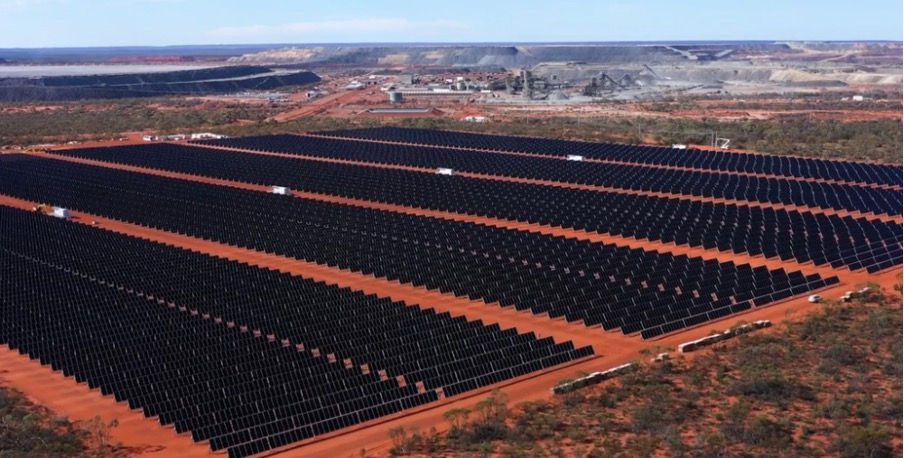
For example, a mining company in Western Australia recently transitioned to a hybrid energy system that combines solar power with diesel generators. This shift not only reduced their fuel consumption but also significantly lowered their carbon footprint. The company reported a 50% reduction in diesel usage, translating to substantial cost savings and a positive impact on their environmental performance.
Similarly, in the construction sector, a major contractor adopted a hybrid energy solution for a large-scale project. By integrating wind turbines and energy storage systems, they were able to power their operations more sustainably. The result was a quieter worksite, reduced emissions, and lower operational costs, all while meeting the energy demands of a complex construction project.
These examples illustrate how hybrid energy solutions can be effectively implemented in various sectors, leading to improved efficiency and sustainability.
Overcoming Challenges in Transitioning to Hybrid Energy
While the benefits of hybrid energy solutions are clear, transitioning from traditional systems can present challenges.
One of the primary obstacles is the initial investment required for new technologies. However, many companies find that the long-term savings on fuel and maintenance costs can offset these initial expenses. Additionally, government incentives and grants for renewable energy projects can further alleviate financial burdens.
Another challenge is the need for training and education. Employees must be equipped with the knowledge and skills to operate and maintain hybrid systems effectively. Investing in training programs can ensure a smooth transition and maximize the benefits of new technologies.

The Future of Hybrid Energy Solutions
As the demand for sustainable energy solutions continues to grow, the future of hybrid energy systems looks promising. Innovations in technology are making these systems more efficient and accessible than ever before.
Moreover, as industries face increasing pressure to reduce their carbon footprints, hybrid energy solutions will play a crucial role in meeting these demands. The incremental steps approach allows businesses to transition at their own pace, making it easier to adopt sustainable practices without overwhelming their operations.
In conclusion, hybrid energy solutions represent a significant opportunity for the mining and construction industries to enhance efficiency and sustainability. By embracing incremental changes, companies can achieve major gains in reducing costs, emissions, and noise levels. The path to a more sustainable future is not only possible but also practical, paving the way for a greener and more efficient industry.



Comments